Garden Investments That Keep Paying You Back Year After Year
One of the greatest joys of gardening is planting something once and watching it return for years—sometimes for generations.
While perennials have varying lifespans, long-lasting perennials have a way of becoming garden companions, growing stronger, fuller, and more impressive with age when they are planted in the right place.
This list offers fabulous horticultural growing zone 3-4 workhorses of a resilient prairie garden, providing dependable colour, structure, texture, and seasonal rhythm with far less replanting needed than annuals or short-lived perennials.
Some even become beloved fixtures in the landscape, shared between neighbours or handed down through families.
If you want to build a garden with lasting beauty, these perennial flower superstars deserve a place on your planting list.
Join in as we explore 10 tough, perennial superstar options that display lasting beauty and merit a place in your prairie garden:
- Classic Heirlooms: Peony, Bleeding Heart
- Shade Garden Stars: Hosta, Primula
- Prairie Flower Power: Daylily, Heliopsis
- Unique Prairie Performers: Baptisia, Sea Holly
- Structural Garden Plants: Ornamental Grasses, Gas Plant
Classic Heirlooms: Peonies and Bleeding Hearts
Some perennials aren’t just long-lived—they become part of a garden’s story, and Peonies and Bleeding Hearts have earned their reputation for good reason. Given the right spot, they often live for decades, often becoming treasured plants that are passed from one generation to the next.
1. Peony: The Queen of Longevity

If there were an award for the longest-lasting perennial, Peonies would be a strong contender. It is not uncommon to find Peony plants still thriving 50 years or more after they were first planted.
These reliable, breathtaking spring bloomers produce large, often fragrant flowers in shades of pink, white, red, coral, and yellow.
Once established, Peonies are remarkably resilient and need very little maintenance.
Growing tip: Plant Peonies carefully. Their eyes, or buds, should sit no more than 2 inches below the soil surface. Planting too deeply is one of the most common reasons peonies fail to bloom.
Related Articles:
- Choosing the Perfect Peony Variety for Your Garden
- A Complete Guide on How to Grow Peonies
- Answering Your Most Asked Questions About Growing Peonies
- Eight Reasons Why Peonies Won’t Bloom
2. Bleeding Heart: An Old-Fashioned Favourite Worth Keeping

Many gardeners have inherited Old-Fashioned Bleeding Hearts (Dicentra) from parents, grandparents, neighbours, or previous homeowners, and these charming spring bloomers often become treasured heirlooms in shady and semi-shade garden spaces.
Their arching stems of heart-shaped flowers, available in baby-pink, medium pink, red, or white, bring romance and softness to the early-season garden year after year.
Growing tip: Do not panic when foliage dies back in midsummer. This is normal for many traditional bleeding heart varieties, especially in warm or dry conditions.
Related: Check out The Complete Guide to Growing Gorgeous Bleeding Heart Plants on how to grow these timeless perennials.
Shade Garden Stars: Hostas and Primulas
Even the shadiest corner of the garden can be filled with plants that stand the test of time. Hostas and Primulas are dependable performers that brighten cooler, shady spaces with colour, beauty, and reliability.
3. Hostas: The Shade Garden Champion

As the plant that gets better with age, Hosta perennials are famous for their beautiful foliage, easy-care nature, and longevity. Hostas are zone 3-4 hardy perennials that can grow for decades.
Known for their wide range of leaf colours, textures, variation in mature growth sizes, and spires of summer, lily-like flowers in shades of white or lavender, Hostas are especially useful in shady borders and proof that there is life after shade.
Many gardeners divide Hostas periodically, but even undivided plants develop into enormous, eye-catching specimens over time.
Growing tip: Morning sun and afternoon shade provide ideal conditions for many Hosta varieties, especially those with colourful or variegated leaves.
Related Articles:
- How to Master Your Shade Garden: A Complete Guide to Growing Annuals and Perennials in the Shade
- How to Deadhead Hostas
4. Primula: The Reliable Shade Perennial That Welcomes Spring Early

Primulas, or better known as Primroses, are an understated shade or semi-shade garden standby that are rarely placed on center stage.
These small, long-lived perennials are among the first prairie perennials to flower, offering some of the earliest colour of the season.
Their trumpet-shaped flowers in shades of pink, orange, yellow, and white with semi-evergreen foliage, and tolerance for partial shade make them valuable additions to woodland borders and early-spring displays.
The most hardy Primula varieties for prairie gardens are Primula auricula and Primula denticulata.
Growing tip: Plant Primula in rich, well-drained soil and avoid disturbing mature plants once they are established.
Prairie Flower Power: Daylilies and Heliopsis
Some perennials simply know how to handle prairie life. Daylilies and Heliopsis laugh at heat, welcome the sunshine, and return every summer, bringing vibrant colour, pollinator appeal, and dependable blooms for decades with very little fuss.
5. Daylilies: Tough, Reliable, and Nearly Indestructible

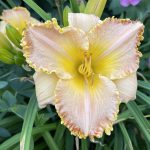
If you want a perennial that can flourish with minimal fuss, Daylilies are hard to beat. These adaptable plants tolerate a wide range of soil conditions, handle drought once established, and produce colourful blooms in summer.
Each individual flower lasts one day, but mature clumps can produce an abundance of buds, creating a long-lasting display.
Daylilies are also simple to divide and share, which is one reason they are so often found in older gardens.
Growing tip: Divide overcrowded clumps to maintain vigorous flowering and prevent plants from becoming congested.
Related: How to Grow and Care for Daylilies, How to Deadhead Daylilies
6. Heliopsis: All Summer Flowering

Heliopsis, also known as False Sunflower, is a long-lived sunny perennial garden standby that boasts bright yellow daisy-like blossoms in summer and keeps on flowering until frost.
This clumping perennial is available in varying heights, so it can add structure or border value, has varying stem colours, and has a range of flower blends.
Some flowers are pure yellow, and others have splashes of orange near the center.
Growing tip: Some taller varieties benefit from round supports like tomato cages to keep the clump standing tall.
Unique Prairie Performers: Baptisia and Sea Holly
Not every long-lived perennial is a household name. Baptisia and Sea Holly combine striking forms with impressive staying power. These unique sunny garden gems may take a little longer to settle in, but once they do, they’re incredibly long-lived, low-maintenance, and full of character.
7. Baptisia: The Perennial That Loves to Stay Put


Sometimes called False Indigo, Baptisia is one of the longest-lived prairie-friendly perennials available.
Baptisia develops a deep root system that helps it tolerate drought, lean soil, and challenging growing conditions.
Once established, Baptisia can remain in place for decades and often becomes more beautiful with age.
Its spring flowers resemble Lupines without the aphid-attracting properties and are loved by pollinators, while the blue-green foliage stays attractive through much of the growing season.
Growing tip: Choose the planting location carefully. Mature Baptisia plants dislike being moved and are happiest when left undisturbed.
8. Sea Holly: Tough as Nails with Steely-Blue Flowers

If you are looking for a perennial that shrugs off heat, drought, poor soil, and neglect, Sea Holly (Latin name: Eryngium) is a perfect candidate. Despite its delicate-looking metallic blue flowers, Sea Holly is remarkably tough when planted in the right location.
Its spiky steel-blue blooms and silvery-blue stems add distinctive texture and make excellent fresh or dried cut flowers.
Pollinators are strongly attracted to Sea Holly, and its sculptural form pairs well with softer plants such as Ornamental Grasses, Catmint (Nepeta), and Russian Sage (Pervoskia).
Like Baptisia, Sea Holly’s deep taproot helps it access moisture well below the soil surface during dry periods. That same taproot means mature plants prefer not to be moved.
Growing tip: Plant Sea Holly in full sun and well-drained soil. Avoid excessively rich soil, which can encourage floppy growth. Once established, it is happiest when left undisturbed.
Structural Plants: Clumping Ornamental Grasses and Gas Plant
The best gardens are built on more than beautiful blooms. Ornamental grasses and Gas Plant add height and texture, and bring graceful form and movement that create a timeless framework that shines every growing season.
9. Ornamental Grasses: Four Seasons of Beauty

Many ornamental grasses are surprisingly long-lived additions to the landscape.
Calamagrostis (Feather Reed Grass) varieties are my favourite and the most hardy in my zone 3-4 garden, they are clumping, and not invasive.
As the years pass, well-placed grasses add height and often become dramatic focal points, especially when backlit by low sun or dusted with frost.
Growing tip: Cut deciduous grasses back in early spring before new growth emerges. Leaving stems standing over winter adds structure and shelter for wildlife.
10. Gas Plant: The Perennial That May Outlive Your Garden Plans

If longevity were the only measure of success, Dictamnus, known as Gas Plant, would rank among the great perennial performers.
Gas Plant gets its common name from the aromatic oils produced by its foliage and flowers, which can release a citrus-like scent on warm, still evenings.
This slow-to-establish but remarkably durable plant can flourish for decades in the same location when given well-drained soil and a little patience.
In late spring to early summer, upright spikes of fragrant white (variety ‘alba’) or pink (variety ‘rosea’) flowers rise above glossy green foliage. The blooms attract pollinators and bring an elegant, old-fashioned charm to cottage gardens, mixed borders, and sunny perennial beds.
The flowers produce star-shaped pods along the spires that add interest and structure to the summer and winter garden if left to stand once the flowers die.
Because mature plants develop deep tap roots and resent disturbance, they are best planted once and left alone.
Growing tip: Choose the planting site carefully. Give Gas Plant full sun to light shade and well-drained soil, then allow several seasons for it to settle in before expecting its best display.
Build a Garden for the Future
Long-lived perennials are more than beautiful plants; they are the quiet backbone of a garden that gains character, confidence, and history with every growing season.
Choose them well, give them the conditions they need, and many of these dependable favourites will reward you for decades with colour, structure, fragrance, movement, and memories.
Of course, longevity begins long before they are planted. The real secret is knowing how to match each perennial to the right place and support it as it settles in.
Looking to add more colour to your garden? Check out our perennial growing guides or register for a gardening workshop today with Gardening with Sharon!
More to Explore
- Understanding Perennial Seasons of Bloom
- 15 Tough Zone 3-4 Perennials for Hot, Dry Weather
- The Best Annual & Perennial Flowers for Your Zone 3-4 Pollinator Garden
- 10+ Amazing Annual and Perennial Flowers to Grow in Full Sun
- A Guide to Deadheading Annual and Perennial Flowers
© Sharon Wallish Murphy © Gardening with Sharon