Practical Perennial Care Tips for Creating a Resilient, Low-Maintenance Garden
Long-lived perennials are one of the smartest investments you can make in a garden. With the right conditions, perennial plants such as Peonies, Hostas, Daylilies, Baptisia, Ornamental Grasses, Sea Holly, and Gas Plant can return year after year, becoming stronger and more beautiful with time.
But even the toughest perennial plants need more than good genetics.
The real secret to growing long-lived perennials that last for decades is simple garden wisdom: choose the right plant for the right place, plant it well, and care for it patiently as it settles in.
Whether you are starting a new perennial bed or improving an established garden, these practical steps will help you create a lasting landscape.
1. Start With the Right Plant in the Right Place

The most important perennial care tip is also the simplest: match the plant to the growing conditions you already have.
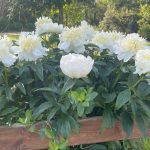
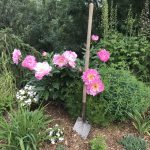
Even a famously durable perennial will struggle if it is planted where it cannot meet its basic needs. Peonies, even though they can live for over 70 years, will not survive if they are planted in the shade.
There are five critical factors to know before you plant anything. Know how they play out in your garden and match them to the growth requirements and patterns of the perennials that will grow there:
- Sunlight: full sun, part sun, part shade, or full shade
- Soil texture: clay, sand, loam, or rocky soil
- Soil Drainage: consistently moist, average, or sharply drained
- Mature Plant Size: height, spread, and room for airflow
- Zone Hardiness: whether the plant can handle your summer, winter, and precipitation conditions
Before planting, spend time observing your garden space. Notice things like how much sun the area receives, where water collects after rain, how quickly the soil dries, and whether nearby trees or shrubs will compete for moisture and nutrients.
Practical Tip: Careful observation and planning can save years of disappointment.
Related: What are Plant Hardiness Zones & How do They Work?
2. Prepare the Soil Before You Plant

Healthy roots are the foundation of a long-lived perennial garden and healthy soil is the foundation for strong, robust roots.
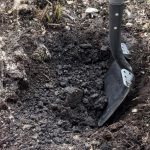
Before planting, remove weeds, loosen compacted soil, and improve poor soil with compost where appropriate. Mixed compost and worm castings, another type of compost, lends soil structure and water holding capability. The goal is not to create a rich, capable bed for every plant, but to give roots a welcoming start.
Pay special attention to soil drainage. Many long-lived perennials resent sitting in soggy soil, especially through winter. If your garden has heavy clay or low spots where water lingers, choose moisture-tolerant plants like Siberian Iris for sunny spots, and Astilbe and Ligularia for shady areas.
Practical tip: Do not automatically over-enrich the soil. Some tough, drought-tolerant perennials, including sea holly and certain prairie-style plants, often perform best in leaner, well-drained conditions.
Related: How Does Compost Help Build Healthy, Sustainable Soils?, Worm Castings: Nature’s Secret for Thriving Gardens
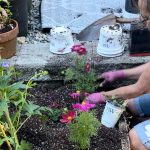
3. Plant at the Right Depth and Give Room for Growth

Many perennial problems begin at planting time. A plant set too deeply, squeezed too tightly, or placed in an overcrowded bed may survive, but it may never reach its full potential.
Plant crowns at the recommended depth, water thoroughly after planting, and allow space for mature growth. For example, Peonies are especially sensitive to planting depth, while Baptisia, Gas Plant, and Sea Holly develop deep, robust roots and prefer not to be moved once established.
Practical tip: A new perennial bed can look a little sparse at first. Resist the urge to crowd plants too closely because that breathing room helps reduce competition, improves airflow, and gives long-lived plants space to become impressive mature clumps.
Empty spaces can temporarily be filled with annual plants, like this container of Cannas and Supertunias® and as spaces fill with perennial growth, annuals will eventually not be required, unless you’d like to add some season-long colour.
Related: 10+ Bell-Shaped Annual Flowers to Feature in Your Garden, 7 Leafy Vines Perfect for Container Gardening
4. Water Deeply While Perennials Establish

While long-lived perennials are relatively drought-tolerant, new plantings need consistent moisture while their roots settle in. It takes a few years for perennials to reach their drought-busting potential.
Water deeply rather than lightly sprinkling the surface, especially during hot, dry, or windy weather.
Mulch is a great addition to new plantings. Mulch improves moisture retention, moderates soil temperatures, and reduces weed competition. Keep mulch away from the crown or stems of the plant so moisture does not collect directly against stems or emerging growth.
5. Maintain Without Over-Managing

A long-lived perennial garden does not need constant fussing, but it does benefit from steady seasonal attention.
Seasonal maintenance for perennial flowers includes:
- Removing dead or damaged growth
- Weeding regularly
- Top-dressing with compost and mulch when needed
- Watching for symptoms of stress, like wilting or yellowed leaves, before they become serious problems
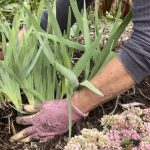
Some clumping perennials, including Daylilies and Hostas, may eventually bloom less or become crowded. When that happens, division can refresh the plant and give you new pieces to replant or share.
Other long-lived perennials are happiest when left undisturbed, so learn each plant’s preferences before lifting a mature clump.
Related: A Step by Step Guide to Successfully Moving and Planting Perennials
6. Watch How the Garden Changes Over Time


Gardens are never static, but isn’t that the magic? Trees grow larger, shade shifts, soil conditions change, and neighbouring plants begin to compete, and a perennial that flourished five years ago may need more space, better airflow, or a little extra water during dry spells.
Regular observation helps you garden with confidence. Yellowing leaves, fewer flowers, flopping stems, pest damage like that from aphids or slugs, or poor growth can all be clues that a plant’s conditions are no longer quite right.
Related: How to Get Rid of Aphids in Your Garden, 7+ Simple and Effective Ways to Get Rid of Slugs
A Quick Checklist for Growing Long-Lived Perennials

- Choose appropriately suited plants to your sun, soil, moisture, and hardiness zone.
- Prepare the bed before planting, especially if soil is compacted or poorly drained.
- Plant at the correct depth and leave room for mature growth.
- Water deeply during establishment, then adjust as roots mature.
- Mulch thoughtfully, keeping crowns clear.
- Divide perennials that will benefit from division.
- Observe changes in your garden’s environment like shade, moisture, airflow, and plant performance over time.
Think in Years, Not Weeks
Long-lived perennials reward patience. Some take several seasons to reach their full potential, especially plants with substantial root systems or slow-growing crowns.
The first year may be quiet, the second more promising, and the third year is the beginning of something remarkably impressive. That slower rhythm is part of their charm. When you match the right perennial to the right place and care for it with patience, it can become more than a pretty bloom. It can become part of the garden’s story.
More to Explore
- Gardening in the Wind: How to Select and Care for Plants in Windy Locations
- Fall Planting Success: Simple Tips for Healthy Trees, Shrubs, and Perennials
- Gardening in the Wind: 10 Wind-Tolerant Perennials to Add to Your Garden
- 15 Tough Zone 3-4 Perennials for Hot, Dry Weather
- 10+ Amazing Annual and Perennial Flowers to Grow in Full Sun
- How to Master Your Shade Garden: A Complete Guide to Growing Annuals and Perennials in the Shade
© Sharon Wallish Murphy © Gardening with Sharon